

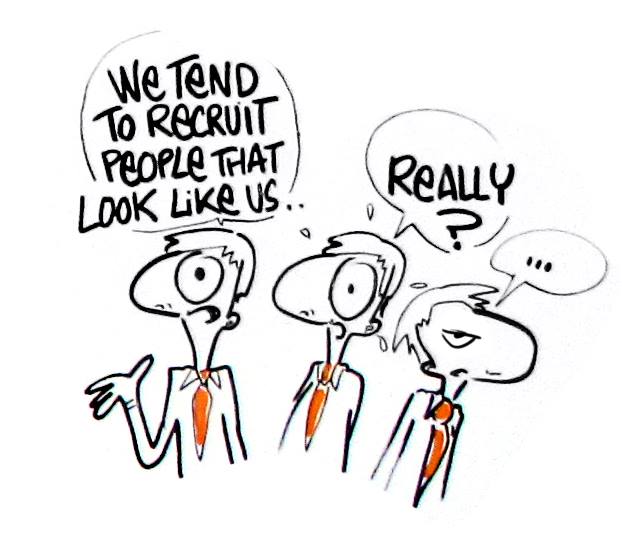
As a manager, HR leader, team coordinator, or seminar facilitator, you may be looking for the perfect graphic facilitator to co-host your brainstorming sessions, design thinking workshops, team-building events, round tables, or plenary sessions.
But how do you choose the right person? What criteria should you pay attention to? Are there objective points of comparison, or is every professional truly unique?
When selecting your graphic facilitator, it’s essential to consider their skills, values, visual style, experience and pedagogical sense.
What does a graphic facilitator actually do?
A graphic facilitator is an external consultant you bring in to visually support your team seminars, brainstorming sessions, team-building events, or product development workshops.
Their ability to synthesize complex ideas and their curiosity are major assets in guiding your project. To capture key insights and move group reflection forward, they draw live, either on a whiteboard or a large mural.
What skills should a good graphic facilitator have?
At first glance, one might assume that a graphic facilitator must have advanced drawing or graphic design skills. While those can help, they aren’t the most important.
What truly matters is the ability to create clear, recognizable, engaging, and well-structured visuals. These visuals must communicate ideas and concepts effectively to the audience.
Even though digital scribing is becoming increasingly popular, traditional tools remain central to the profession. Proficiency with software like Photoshop or Illustrator can be a plus, but it’s not mandatory. Most facilitators still work with markers on large rolls of paper, foam boards, or whiteboards.
Communication: the foundation of great collaboration
Above all, a graphic facilitator serves the collective intelligence.
They must have excellent listening and communication skills and feel comfortable working in front of a group. Whether interacting with small teams or large audiences, the facilitator often engages in informal moments of exchange as well.
They must also work fast and efficiently: listening, understanding, synthesizing, sorting, and drawing in real time.
That speed and clarity of execution is part of the craft’s mastery.
A great facilitator also knows how to collaborate with other professionals: communication consultants, marketing experts, art directors, and technical teams handling sound or visual capture.
1. Identify your facilitator’s values and mindset
While graphic style can influence your choice, it should remain secondary.
What truly defines a great facilitator is their personality and ability to grasp diverse perspectives.
Of course, their artistic style should resonate with your company’s visual identity.
A professional facilitator should be comfortable adapting to different graphic languages, but each one naturally has a preferred mode of expression. Some work exclusively in black and white, while others use color to highlight key ideas. Styles can range from minimalist to detailed and realistic.
Before starting any collaboration, two things are essential:
Review their portfolio and client references.
Schedule a meeting (in person or online) to discuss your project, clarify expectations, and co-design the session.
2. Experience
Experience is a key factor when selecting a graphic facilitator. They should have a strong background in visual communication and the ability to produce high-quality visuals quickly, even under time constraints.
3. Pedagogical sense
Pedagogy is another vital element. Your chosen facilitator must be capable of translating complex ideas into simple, accessible, and engaging visual narratives.
Through their presence and posture, they help participants to:
engage actively in reflection,
bring forward new ideas,
and articulate concepts effectively.
Their drawings become learning tools, making concepts easier to grasp and discussions more memorable.
4. Matching the facilitator to your audience
A good graphic facilitator knows how to adapt to different audiences: from children to executives, across all professional backgrounds.
When making your choice, take into account their skills, values, artistic style, experience, and industries experience background. Check their references, review their portfolio, and ensure that communication flows easily between you.
By following these guidelines, you’ll find the right graphic facilitator for your specific needs.
